Professional New Westminster top Concrete Contractor for Every Project
Professional New Westminster top Concrete Contractor for Every Project
Blog Article
Skilled Concrete Contractor for All Your Building Projects
Hiring an skilled concrete contractor is essential for the achievement of any building endeavor. Their knowledge guarantees that tasks are finished promptly and to a high standard. These experts navigate challenges with skill and have established relationships that simplify material sourcing. Comprehending local regulations and prioritizing safety are also key aspects of their role. Yet, many overlook the long-term benefits of choosing the right contractor. What considerations should one consider when making this critical choice?
Why Hiring an Experienced Concrete Contractor Matters
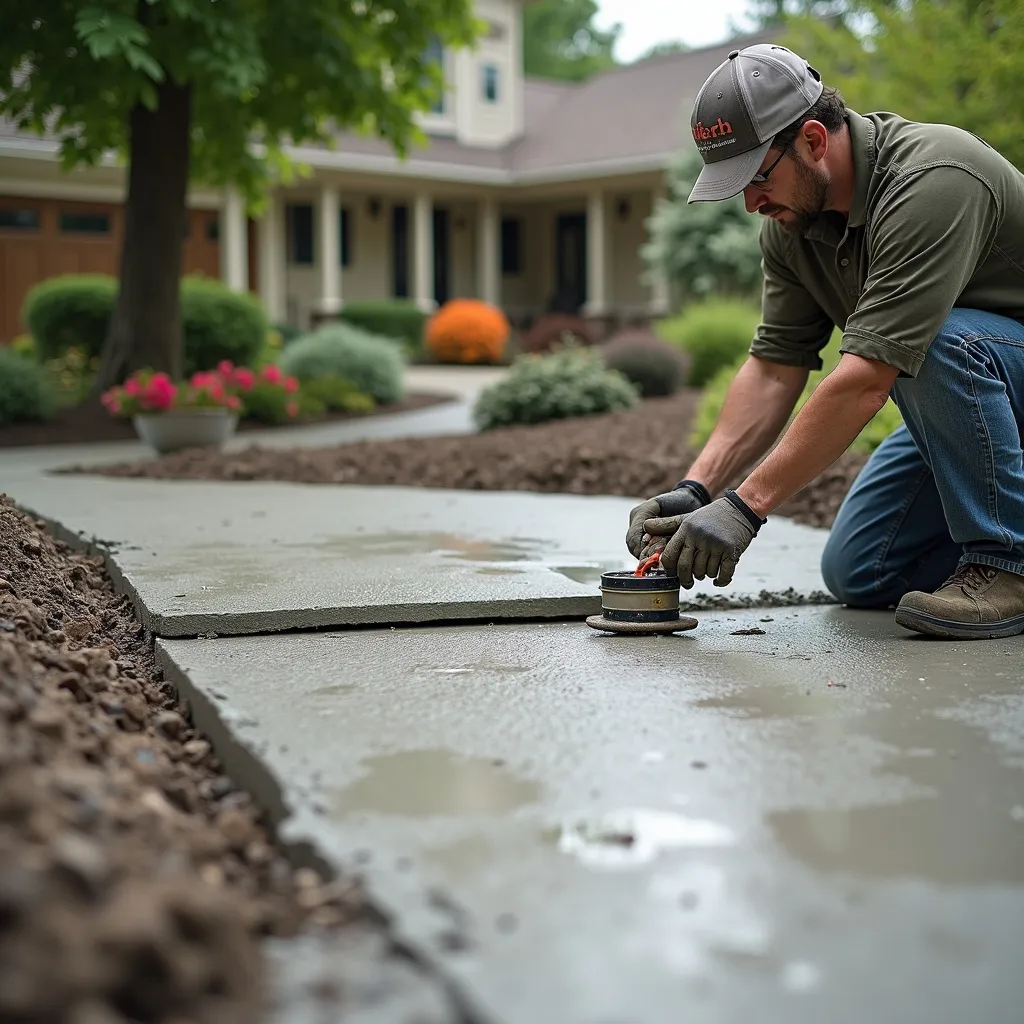
When contemplating a building initiative, the significance of appointing an experienced concrete contractor is paramount. An experienced contractor brings a rich body of knowledge and skills that are necessary for preserving the quality and permanence of concrete work. Their knowledge of various techniques and materials supports better decision-making, conclusively yielding a more dependable and trustworthy structure.
Also, veteran contractors are skilled at managing potential challenges that may occur during the building undertaking. They are prepared to handle unforeseen complications effectively, reducing holdups and additional costs. In addition, an veteran contractor often has established relationships with material suppliers and trade partners, which can streamline the sourcing of supplies and equipment.
Essential Qualities of a Reliable Concrete Contractor
A dependable concrete contractor has multiple essential qualities that distinguish them in the construction industry. Primarily, strong communication skills are fundamental; they guarantee that customers are kept updated during the entire project, building trust and clarity. Additionally, a solid reputation established through positive customer feedback and recommendations demonstrates a contractor's reliability and work quality.
Additionally, skill in various concrete applications, combined with familiarity with the latest techniques and materials, enables them to produce superior results. Close attention to detail is another crucial quality, as it confirms precise measurements and information superior standards of workmanship.
In the end, a dedication to safety and compliance with standards reflect professionalism and responsibility. By incorporating these qualities, a reliable concrete contractor not only fulfills client needs but also contributes to favorable project results, making them indispensable in the construction field.
Steps to Choose the Best Concrete Project for Your Objectives
Selecting the right concrete assignment requires careful consideration of specific needs and objectives. Individuals should begin by evaluating the intended use of the concrete, whether for driveways, foundations, or decorative elements. A clear grasp of the project's purpose directs the selection of materials and methods.
Next, budget constraints play an essential role. Examining accessible funds assists in establishing the scale and complexity of the project. Additionally, the local climate can impact the choice of concrete type and finishing techniques, ensuring durability and longevity.
It is also important to account for the schedule for completing your project. Some concrete applications require time for curing, which may affect scheduling. Speaking with an skilled concrete professional can provide useful information into the best practices and possible choices. In the end, aligning the project's specifics with personal requirements results in a successful concrete project that achieves the intended results.
What You Require to Learn About Local Concrete Regulations?
Grasping local concrete standards is vital for any building initiative, as these rules establish various dimensions of concrete employment, including ingredient requirements, installation methods, and sustainability factors. These codes are typically created by city or state authorities and can vary greatly from one location to another.
Contractors should recognize zoning laws, which can govern where concrete structures may be erected. Additionally, building codes typically specify the required strength and composition of concrete mixes, ensuring safety and durability. Environmental regulations may also mandate the use of eco-friendly materials and proper waste disposal methods to decrease environmental impact.
Failure to comply with these regulations may cause monetary penalties, scheduling setbacks, or even legal action. Consequently, working with local authorities at the beginning of the planning process is recommended. Understanding and following these regulations not only strengthens community safety but also boosts the integrity of the construction project.
Ways Professional Contractors Save You Valuable Hours and Costs
Skilled contractors play a pivotal role in enhancing construction projects, allowing clients to benefit from both time efficiency and cost savings. Their extensive experience enables them to navigate complex tasks expeditiously, reducing the overall project timeline. By drawing upon industry connections, skilled contractors often lock in better costs on materials, translating to lower expenses for clients.
Moreover, their knowledge of local regulations guarantees adherence, which minimizes the chance of expensive setbacks and fines. Effective project oversight is another key advantage, as these experts coordinate workforce and materials, preventing obstacles that can result in higher costs.
Moreover, by employing proven techniques, skilled professionals reduce the probability of errors, which can cause costly revisions. Ultimately, hiring an experienced contractor not only improves the caliber of the project but also optimizes financial resources, making it a wise choice for any building project.
How Quality Components and Methods Affect Concrete Work
Quality in concrete work is vital, as it directly determines the durability and longevity of any construction project. The choice of high-grade materials plays an important role; inferior concrete can lead to cracking, erosion, and structural failure over time. Using quality aggregates, cement, and additives confirms that the final product can withstand environmental stresses and heavy loads.
Moreover, harnessing state-of-the-art methods throughout the mixing, pouring, and curing phases markedly enhances the solidity of the composite. Correct proportional combinations and solidification techniques help reaching supreme robustness and reduce defects. Knowledgeable contractors grasp these particulars and implement best practices to deliver excellent performance.
Ultimately, investing in high-quality materials and methods not only improves the structural integrity but also minimizes long-term maintenance costs. This foundation of reliability is essential for both residential and commercial projects, assuring that they stand the test of time. Concrete work quality is an investment that pays dividends.
Regularly Asked Questions
Which Categories of Concrete Solutions Do Professionals Commonly Provide?
Concrete contractors commonly provide a wide range of solutions including foundation pouring, driveway installation, decorative concrete services, slab construction, sidewalk and patio installation, repair and resurfacing, as well as concrete demolition and recycling.
What timeframe should you expect for a typical concrete undertaking?
A standard concrete project typically takes from one to three days, contingent on factors such as project size, complexity, weather conditions, and curing time. Larger or more intricate projects may demand additional time for completion.
What Are the Usual Clues of Inferior Concrete Work?
Common signs of poor concrete work feature visible cracks, bumpy texture, faulty water flow, staining, flaking, and surface dusting. These concerns usually indicate incomplete setting, improper mixing, or inadequate setup, compromising the structure's integrity and longevity.
May I Request Tailored Designs for My Concrete Project?
Yes, bespoke designs for concrete projects can be asked for. Many contractors offer flexibility in design, allowing clients to incorporate unique features and aesthetics that align with their vision, improving both practicality and visual appeal.
What Effects Do Environmental Conditions Have on Concrete Curing?
Weather factors greatly impact concrete curing. High temperatures can speed up drying, causing cracking, while cold can slow the process, risking potential incomplete hydration. Ideal curing requires moderate temperatures and controlled moisture to ensure durability and strength.
Report this page