Discover Randolph top Stamped Concrete Rental for Professional Project Support
Discover Randolph top Stamped Concrete Rental for Professional Project Support
Blog Article
Expert Stamped Concrete Rental Solutions for Stunning Exterior Spaces
An skilled stamped concrete leasing service presents an efficient alternative for property owners and construction professionals aiming to enhance exterior areas. These services deliver availability to professional equipment and equipment, guaranteeing high-quality outcomes lacking the obligation of possession. The ability to produce intricate designs and long-lasting finishes is attractive. Nevertheless, understanding the nuances of preparation and maintenance is essential. Which factors ought to be considered prior to commencing a concrete stamping project?
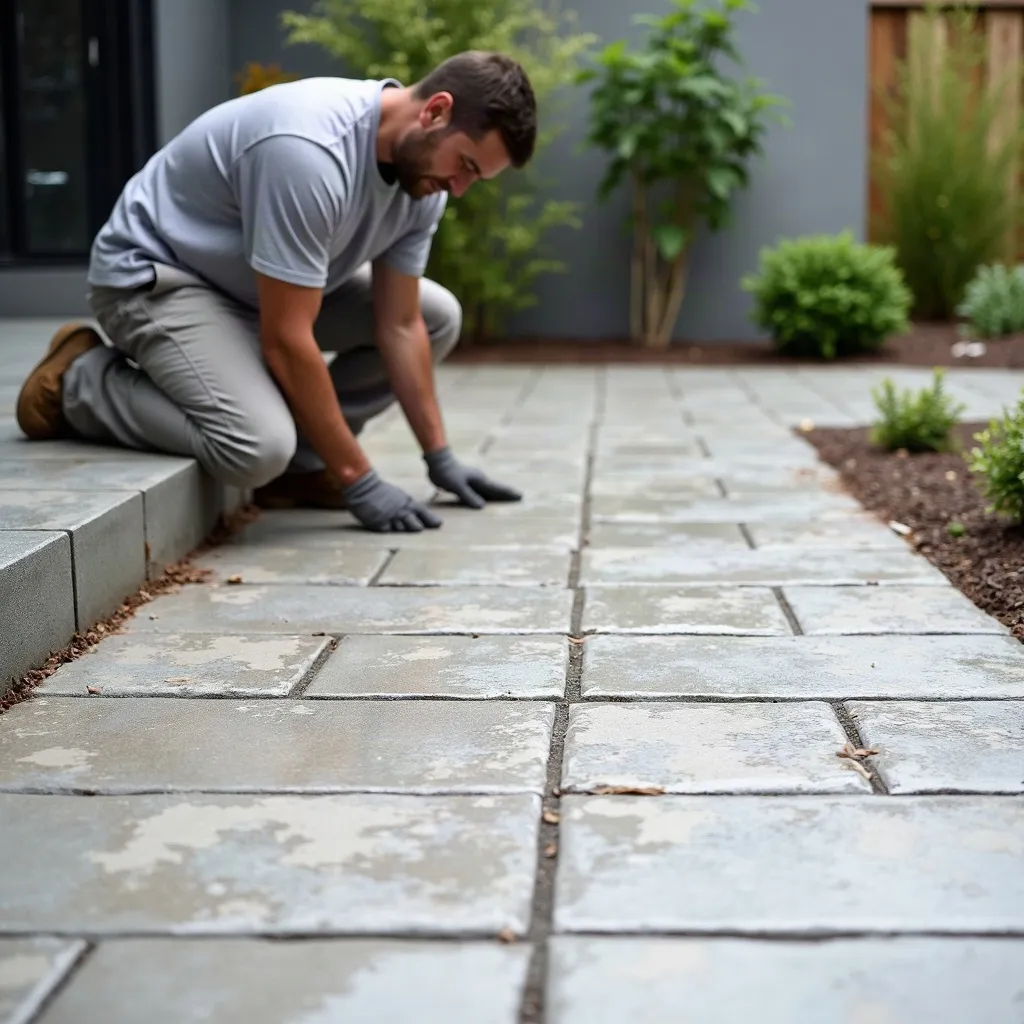
Why Pick Stamped Concrete for Your Outdoor Space
When considering improvements for outdoor spaces, many homeowners find that stamped concrete provides an attractive combination of aesthetics and functionality. This versatile option allows for a range of designs, mimicking natural materials such as stone, brick, or tile, while providing a durable surface. Stamped concrete is impervious to weathering, making it ideal for various climates, and its minimal upkeep requirements appeal to busy homeowners.
Additionally, decorative concrete can increase property value, as it creates visually appealing pathways, patios, and pool decks that attract prospective buyers. Its capacity to blend seamlessly with landscaping further elevates outdoor spaces. The installation process is also fairly fast compared to other materials, reducing disruption to the home environment. Homeowners value that stamped concrete can be customized to suit individual tastes, providing a unique touch to their outdoor aesthetics. Overall, decorative concrete stands out as a practical and stylish choice for enhancing outdoor living areas.
What Supplies Are Essential for Stamped Concrete?
When applying stamped concrete, having the proper tools is essential for delivering high-quality finishes. Essential tools include concrete mixers, stamps, and finishing trowels, while safety gear such as gloves and masks guarantees protection during the process. Knowing these requirements can greatly boost both the efficiency and safety of the project.
Essential Stamped Concrete Equipment
A range of critical tools are necessary for accurately carrying out work with stamped concrete, confirming precision and quality in the final product. Key tools encompass a concrete mixer for consistent material blending, trowels for smoothing and shaping, and stamp molds that create desired patterns. A concrete float supports in leveling the surface, while edging tools help define clean lines around the project. For texturing, specialized stamps and rollers enhance the design, and a groover is vital for creating joints that control cracking. Finally, a curing compound sprayer secures proper hydration. Utilizing these tools effectively not only enhances the aesthetic appeal but also contributes to the longevity of the stamped concrete installation.
Safety Gear Requirements
Using proper protective equipment is necessary for those handling stamped concrete to reduce dangers and guarantee a secure workplace. Employees should begin with protective goggles to shield their eyes from dust and debris. It is critical to wear heavy-duty gloves for hand protection against sharp tools and abrasive surfaces. Wearing steel-toed boots is recommended to protect the feet from injury caused by heavy materials. In addition, a hard hat helps prevent head injuries from falling objects. Choosing masks or respirators is crucial when exposed to concrete dust or chemicals to avoid respiratory issues. Knee pads also provide necessary comfort and protection while kneeling during stamping. Compliance with these safety gear protocols ensures a safer working space for all parties involved.
How to Prepare Your Site for Stamped Concrete Installation
Preparing the area for stamped concrete application is crucial for producing a long-lasting and aesthetically pleasing surface. The opening step requires removing the area of any refuse, plants, or existing concrete. This assures a clean slate for the new application. Next, the ground must be dug to the appropriate depth, typically 4 to 6 inches, depending on the project discover the information requirements. Suitable grading is vital to facilitate adequate water flow, preventing future pooling or cracking.
Once the location is made ready, a sturdy sub-base consisting of gravel or crushed stone should be laid down to increase stability. Installing forms to outline the desired shape is also important, as they guide the concrete pour and maintain the structure. Finally, the site should be compacted to eliminate air pockets, ensuring a solid foundation. Following these steps will markedly contribute to the longevity and aesthetics of the stamped concrete surface.
Top Patterned Concrete Patterns and Surfaces for Your Patio Area
Stamped concrete delivers a variety of stunning designs and finishes that can transform any exterior area into a visually appealing space. Popular options feature patterns that mimic natural materials, such as slate, brick, and flagstone, allowing homeowners to obtain an sophisticated appearance without the expense.
Color choices extend from natural shades to vibrant hues, enabling personalization to enhance existing landscaping or architectural styles. Textured finishes can add dimension and character, improving the general appearance of patios, walkways, and driveways.
To achieve a contemporary aesthetic, angular designs and bold colors are increasingly favored, while classic approaches remain timeless choices. Moreover, ornamental trim can demarcate areas and create design appeal. Each styling option not only boosts the visual appeal of outdoor areas but also contributes worth to the property, making stamped concrete as a versatile and appealing solution for residents aiming to enhance their outdoor living spaces.
Routine Cleaning Strategies
Maintaining cleanliness of stamped concrete surfaces requires a methodical approach to ensure their longevity and aesthetic appeal. Regular upkeep involves sweeping or using a blower to clear away debris and dirt. For more thorough cleaning, a mixture of mild detergent and water can be used with a soft-bristle brush. Avoid harsh chemicals, since they can damage the surface. It’s essential to rinse thoroughly to prevent residue buildup. Moreover, promptly treating stains is critical; using a diluted vinegar solution can efficiently lift organic stains. For grease or oil stains, a specialized cleaner may be required. By consistently employing these techniques, you can maintain the beauty of stamped concrete and prolong its lifespan. Regular maintenance guarantees the surface stays inviting and visually appealing.
Waterproofing for Lasting Quality
Routine upkeep creates the foundation for the longevity of stamped concrete, but sealing serves as a pivotal role in protecting and enhancing its appearance. Sealing forms a protective layer against water damage, marks, and UV damage, which can lead to fading and decay over time. Experts recommend applying a premium acrylic or polyurethane sealant to ensure peak defense. Treatment should happen every one to three years, depending on environmental conditions and foot traffic. Additionally, thorough prep work is crucial; any debris or dampness can prevent bonding. When applying the sealant, a uniform, even coat should be applied to avoid pooling or marks. Overall, regular coating not only maintains the vibrant colors of stamped concrete but also increases its lifespan considerably.
Correcting Surface Defects
Addressing surface damage promptly guarantees the extended service life of stamped concrete. Consistent assessments can help identify issues such as cracks, chips, or discoloration. When damage emerges, quick intervention is imperative. For hairline fractures, a concrete patching compound can capably fill in gaps, providing a smooth surface. Once the repair is complete, introducing a fresh coat of sealant not only upgrades presentation but also preserves the repaired area from ensuing wear.
Moreover, steering clear of harsh chemicals during surface cleaning can stop further decline. Routine maintenance, including re-sealing every few years, will support the durability of the surface. By focusing on these preservation methods, property owners can preserve the visual elegance and structural soundness of their stamped concrete, guaranteeing it remains a stunning feature of their outdoor spaces.
Benefits of Renting Stamped Concrete Equipment
Why should contractors evaluate hiring stamped concrete equipment? Renting delivers several advantages, particularly for those seeking to enhance outdoor spaces without the long-term responsibility of ownership. First, it permits contractors to gain access to top-tier, professional tools that may not be economically practical to purchase outright. This option guarantees that projects can be completed with professional-grade results.
Moreover, leasing gear decreases storage issues and upkeep duties, allowing contractors to concentrate on project completion. It also provides adaptability; contractors can select the right equipment for each specific job, adapting to varying project requirements and sizes.
Furthermore, leasing offers monetary savings, particularly suitable for short-term engagements, as it sidesteps the need for considerable initial investments. All in all, taking advantage of rental options for stamped concrete equipment enables contractors to streamline their operations while delivering stunning results swiftly.
Financial Planning for Your Stamped Concrete Assignment
Planning your budget for a stamped concrete undertaking demands thoughtful evaluation of various factors to ensure successful execution. First, the expense of supplies is crucial, including concrete, stamps, and color additives. These components can greatly influence the overall budget. Additionally, work expenses must be considered, especially if employing experts for installation. Leasing tools may also be necessary, which can differ in cost depending on the tools required and rental duration.
A vital factor is ground preparation, involving drainage and grading, which can lead to additional costs. Homeowners must also reserve funds for maintenance and sealing to maximize the lifespan of the stamped surface. To summarize, it's sensible to establish a reserve fund for unexpected expenses that could happen during the project. Through examining these factors, homeowners can establish a comprehensive financial plan that corresponds to their vision for a attractive backyard area.
Frequently Requested Questions
How extended Does Stamped Concrete Last Compared to Other Materials?
Stamped concrete ordinarily lasts 25 to 30 years, exceeding the durability of materials like asphalt, which may last 15 years, and pavers, which can endure 20 years. Proper maintenance greatly enhances the longevity of stamped concrete installations.
Imprinted concrete placement in winter temperatures: is it doable?
Stamped concrete can be set in winter weather, but necessary precautions are critical. Cold weather conditions may disrupt curing, so using additives and protective coverings is advisable to guarantee proper adhesion and durability in colder climates.
Shades and Designs: What's Offered for Stamped Concrete?
Many hue and design selections exist for stamped concrete, featuring earth tones, vibrant tones, and intricate patterns replicating stone, brick, or tile. Customization features allow to develop distinctive designs personalized for individual preferences and aesthetics.
Is Stamped Concrete Likely to be Slick When Wet?
Stamped cement may become slimy when moistened, especially if it features a even finish. Nonetheless, textured surfaces or additional treatments can increase traction, minimizing the risk of slipping in wet conditions and still preserving aesthetic appeal.
What's the Most Effective Way to Repair Damage in Stamped Concrete?
To fix damage or cracks in stamped concrete, clean the area thoroughly, apply a concrete repair compound, smooth it out, and consider resealing the surface for protection. Regular maintenance can avoid future issues.
Report this page